
Mediterranean
Tuscany
Another side of Tuscany
Tuscany is one of the world's most recognisable and beloved regions. Its hills, vineyards, olive groves, white roads, villages and art cities form a unique landscape, shaped over centuries by the encounter between nature, culture and human presence.
This is the image of classical Tuscany, of Florence, Siena and Chianti: a place where people have transformed the landscape into a heritage of extraordinary beauty, creating a cultural identity known throughout the world.
But there is another Tuscany, just as authentic and even closer to nature: Mediterranean Tuscany.
Along the coast and its surrounding hills we find the same elements that made the region famous: vineyards, olive groves, historic villages, farming traditions, outstanding wines and cuisine deeply rooted in the land.
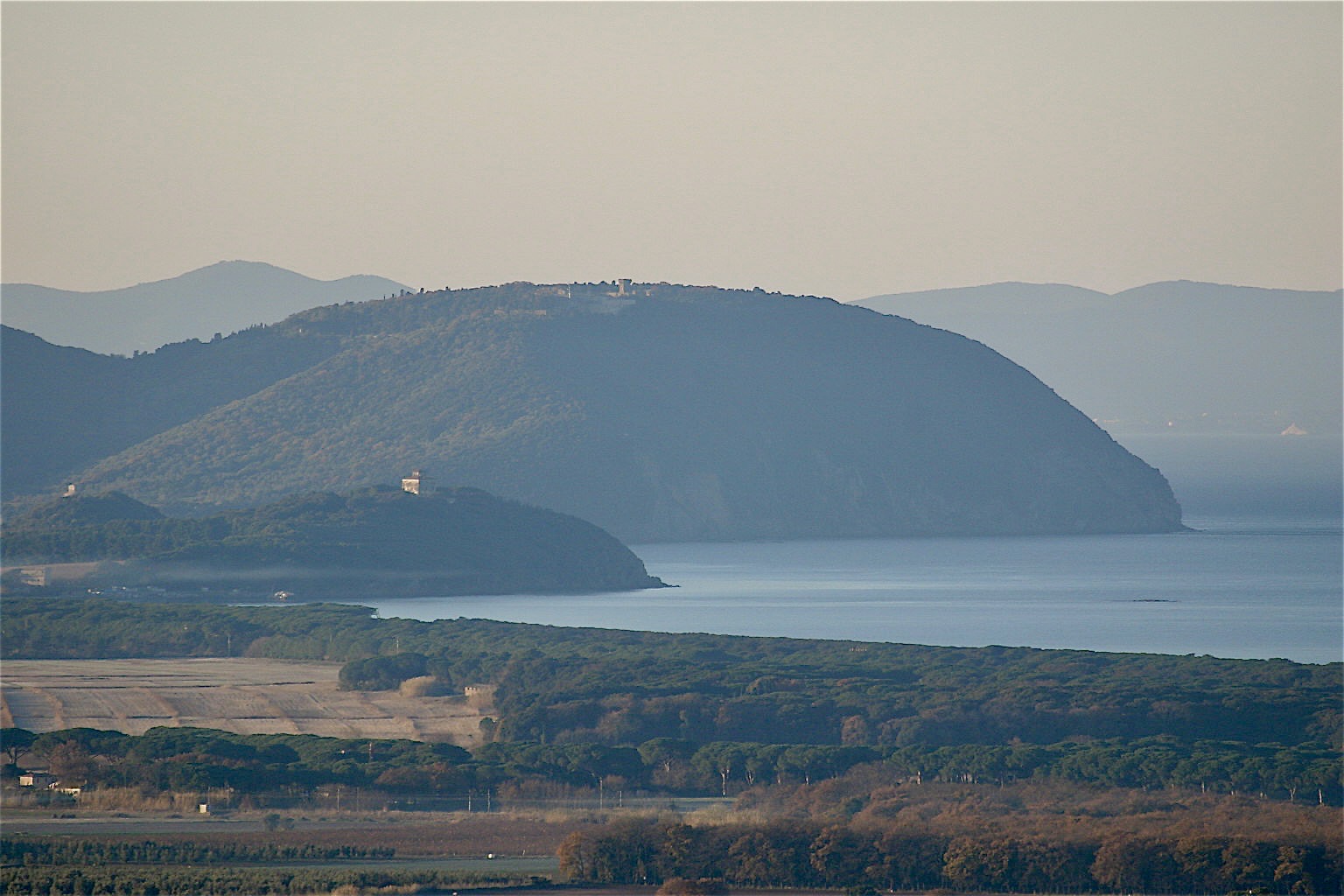
Here, however, the landscape takes on a different scale. Spaces open up, the human presence becomes more discreet and nature retains the leading role.
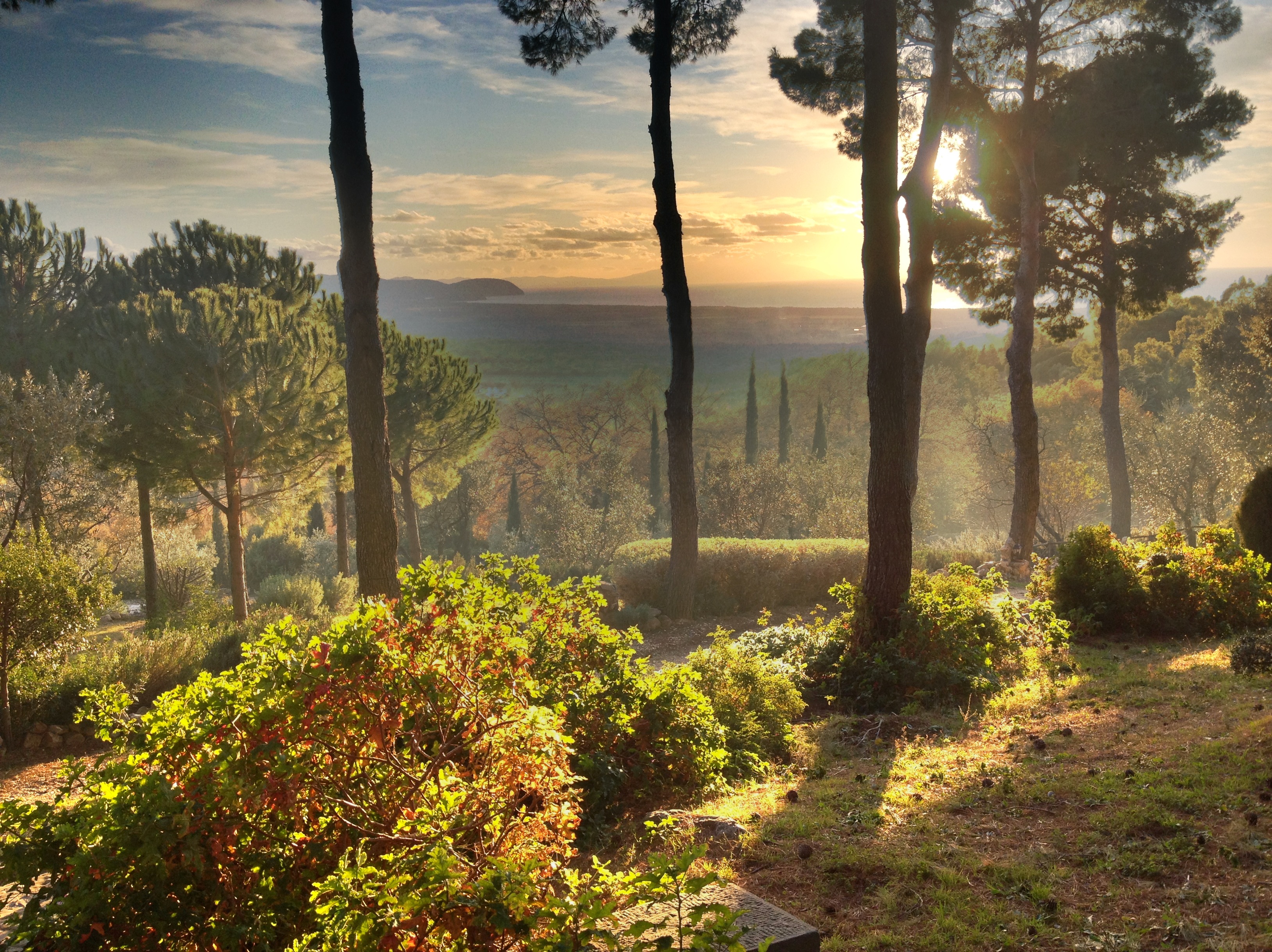
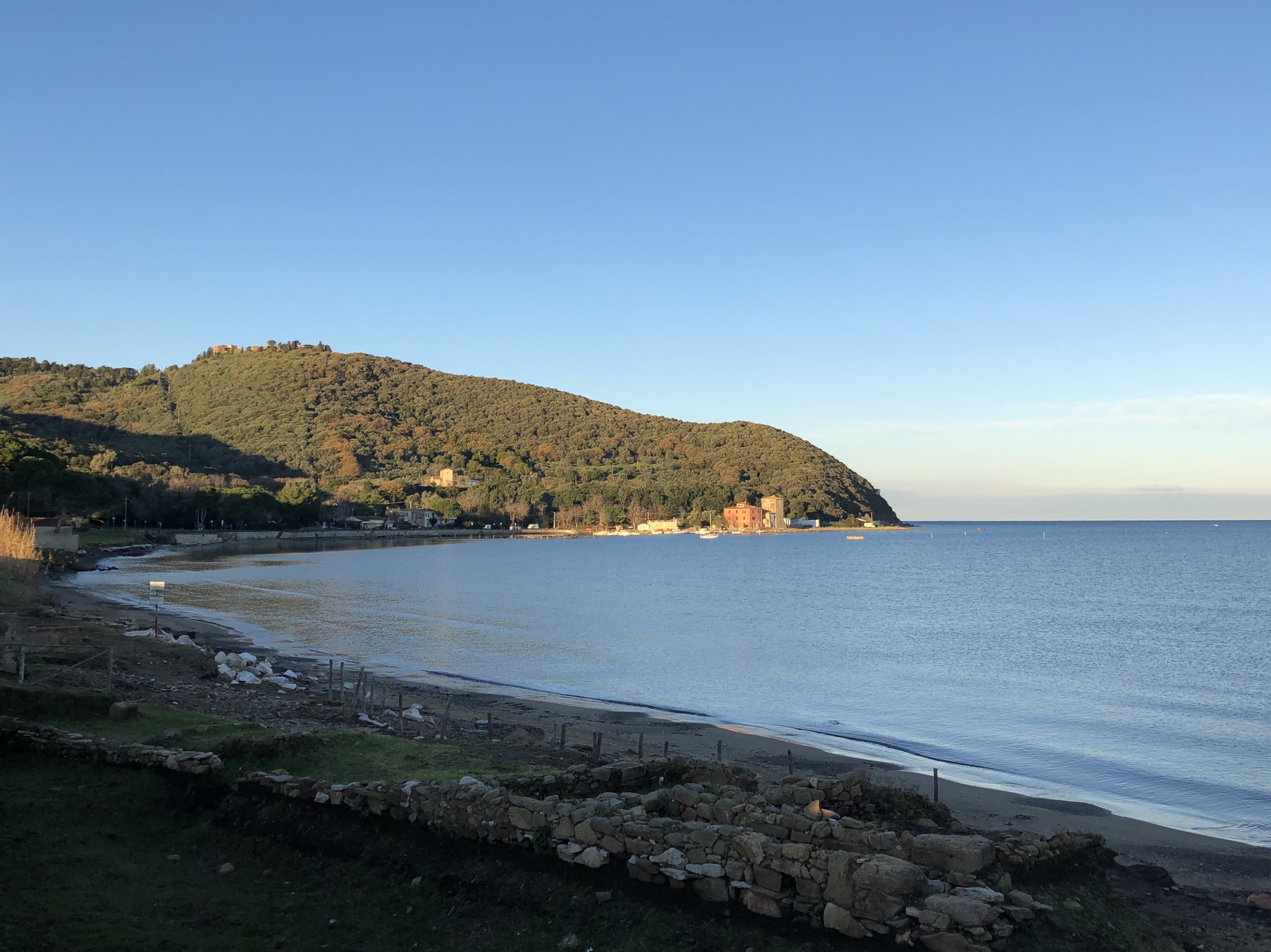
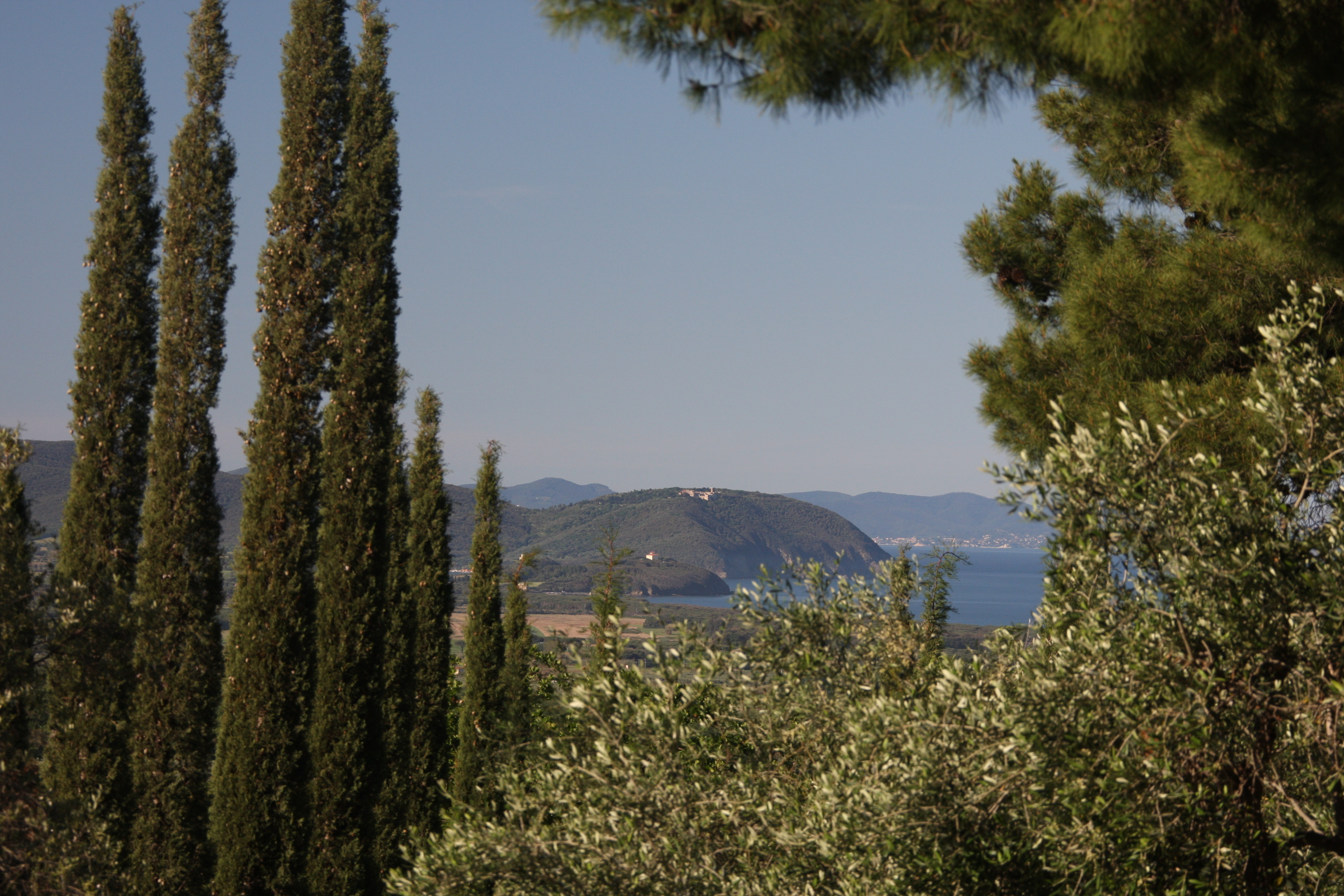
Wooded hills covered in Mediterranean scrub descend towards the sea. Vineyards alternate with forests, the countryside opens towards the horizon and Mediterranean vegetation follows the landscape all the way to the beaches.
This is a land you can recognise by its scents.
Mediterranean scrub releases an extraordinary range of natural aromas: rosemary, thyme, myrtle, wild lavender, everlasting flowers, mastic, juniper and the resins of maritime pines.
These intense scents are heightened by the sun and carried by the sea breeze from the hills to the coast. They change with the seasons, temperature and humidity, accompanying anyone walking the paths, crossing the woods or simply stopping to contemplate the view.
It is a profoundly Mediterranean olfactory identity, where the essences of wild vegetation mingle with the salty sea air.
A landscape not merely to admire, but to breathe in and experience with every sense.
A Tuscany you breathe in before you even admire it.
The landscape, light and scents of the coast reveal another way of experiencing Tuscany.
A land shaped by water and fertility
Behind the coast, the hills collect rainfall which feeds the coastal plains through streams, waterways and underground aquifers.
Over millennia, sediments carried by water have helped create fertile alluvial soils particularly well suited to farming.
This combination of water, fertile soils and a Mediterranean climate has enabled rich and varied agricultural production.
Alongside the vineyards and olive groves that define the traditional image of Tuscany lie vegetable gardens, orchards and crops that sustain a culinary culture closely tied to fresh, seasonal produce.
The aromatic herbs growing wild in the Mediterranean scrub also appear in local cooking, creating a direct connection between the scents of the landscape and the flavours on the table.
The agricultural and gastronomic richness of Mediterranean Tuscany springs from this meeting of hills, water, land and sea.

The Mediterranean as an identity
The climate is mild, the light intense and the rhythm of the seasons different from that of the inland countryside.
Above all, it is the light that gives this land its unmistakably Mediterranean character: clear and luminous, bringing out colours and drawing sharp contrasts between the deep green of the scrub, the silver of the olive groves, the ochre of the earth and the countless blues and turquoises of the sea.
Throughout the day, the sun lends the landscape remarkable colour. In the morning the light is clear and transparent; in the afternoon it grows warmer, reaching golden tones at sunset as the hills and vegetation take on deeper hues.
This brightness, together with the scents of the scrub and the sea breeze, creates a distinctive atmosphere that immediately sets coastal Tuscany apart from the interior.
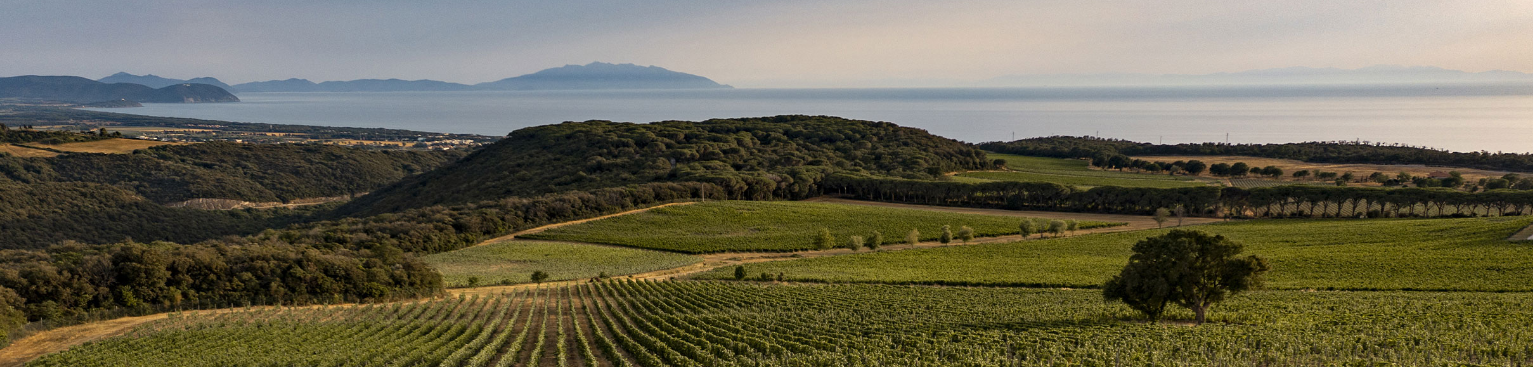
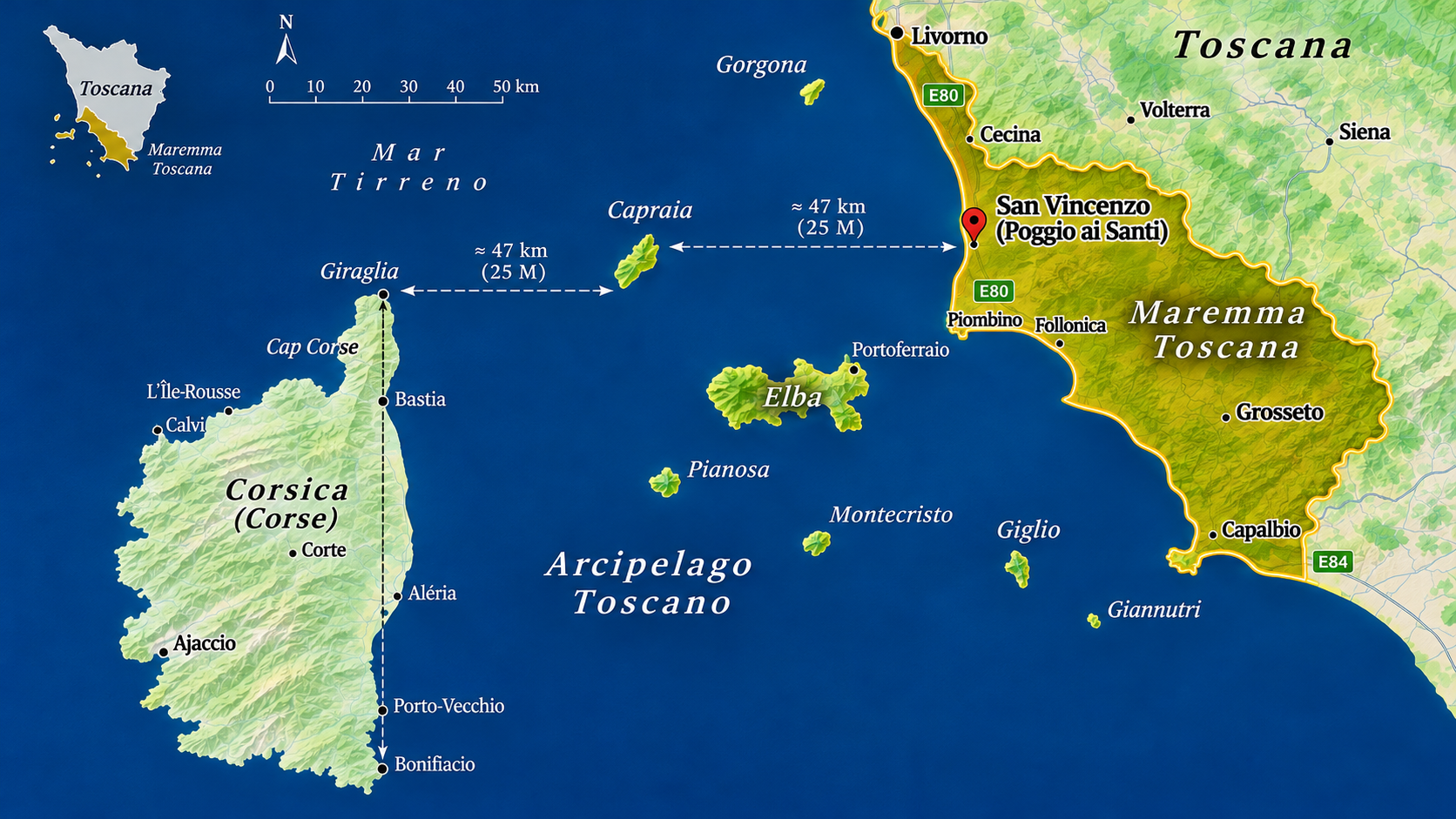
The sea is not simply a beach destination: it is an essential part of the region's identity, together with the islands of the Tuscan Archipelago that enrich the horizon.
The proximity of hills, countryside and sea creates an array of environments and landscapes within just a few kilometres.
This continuity between different settings makes coastal Tuscany special: the chance to experience Tuscan countryside, Mediterranean woods, farming traditions and the sea in one place, surrounded by a typically Mediterranean light and richness of colour.
The land of Super Tuscans
Mediterranean Tuscany is also one of Italy's great wine regions, a place that has earned a leading position in international winemaking.
Between Bolgheri, Castagneto Carducci and Suvereto, proximity to the sea, a mild climate, breezes and varied soils have created exceptionally favourable conditions for producing outstanding wines.
It was here that the era of Super Tuscans began and flourished: wines that broke with the conventions of Italian winemaking and won over the most prestigious international markets.
Names such as Sassicaia and Ornellaia helped establish Bolgheri as a global benchmark. Alongside these celebrated labels, estates such as Argentiera, Tenuta Meraviglia and Petra, between Bolgheri and Suvereto, demonstrate the richness and vitality of a constantly evolving wine region.
These wines represent more than agricultural excellence. They helped shape a new cultural and gastronomic identity for the Tuscan coast, associated with quality, innovation, elegance and a contemporary idea of luxury.
The wineries, often distinguished by remarkable architecture, the vineyards overlooking the sea and the tasting experiences have become an integral part of the region's appeal.
Mediterranean Tuscany thus combines the region's great culinary tradition with one of the world's most prestigious expressions of winemaking, strengthening its identity as a destination for culture, nature and refined hospitality.


A history older than the Renaissance
History, too, reveals a different Tuscany.
Long before the Renaissance and the Medici, these lands were at the heart of Etruscan civilisation and, later, Roman civilisation.
Ancient settlements, necropolises, roads and archaeological remains tell a thousand-year story in which the Mediterranean was already a place of encounters, trade and cultural exchange.
This historical heritage belongs to a landscape that still maintains a strong bond with nature and with the agricultural activities that have shaped it over the centuries.
Another way of living Tuscany
Mediterranean Tuscany has no need to reinvent itself: it already possesses all the elements behind the region's international success, while adding a more natural, intimate and profoundly Mediterranean dimension.
Here, luxury is not necessarily about display, but about space, silence, nature, authenticity and the freedom to explore at your own pace.
It is the pleasure of walking among the scents of rosemary and myrtle, crossing vineyards and olive groves, discovering small villages, tasting freshly harvested produce and reaching the sea through landscapes still ruled by nature.
This is a Tuscany that engages every sense: the beauty of the scenery, the scents of vegetation, the flavours of land and sea, the warmth of the sun and the silence of natural spaces.
Mediterranean Tuscany brings together the beauty of classical Tuscany, the generosity of the land, the scents of nature and the freedom of the Mediterranean.
A place where culture meets nature, history intertwines with the landscape and the sea adds a new dimension to the Tuscan experience.
The coast and the Tuscan Archipelago
Mediterranean Tuscany
Another way of living Tuscany.